Related Articles
- The Unexpected Impact of Environmental Factors on the Accuracy of Medication Dispensing Technologies
- Exploring the Influence of Mental Health Stigma on Accessibility and Affordability of Coverage in Modern Insurance Plans
- How Cloud Storage Quirks Are Quietly Complicating Patient Data Protection in Modern Healthcare Settings
- Top 6 Emerging Medical Billing Platforms Revolutionizing Practice Revenue Cycles Since 2019
- When Digital Distance Deepens Divide: Surprising Social Costs of Remote Health Services in Underserved Communities
- The Unexpected Role of EHR Usability in Physician Burnout and Strategies to Reclaim Workflow Balance
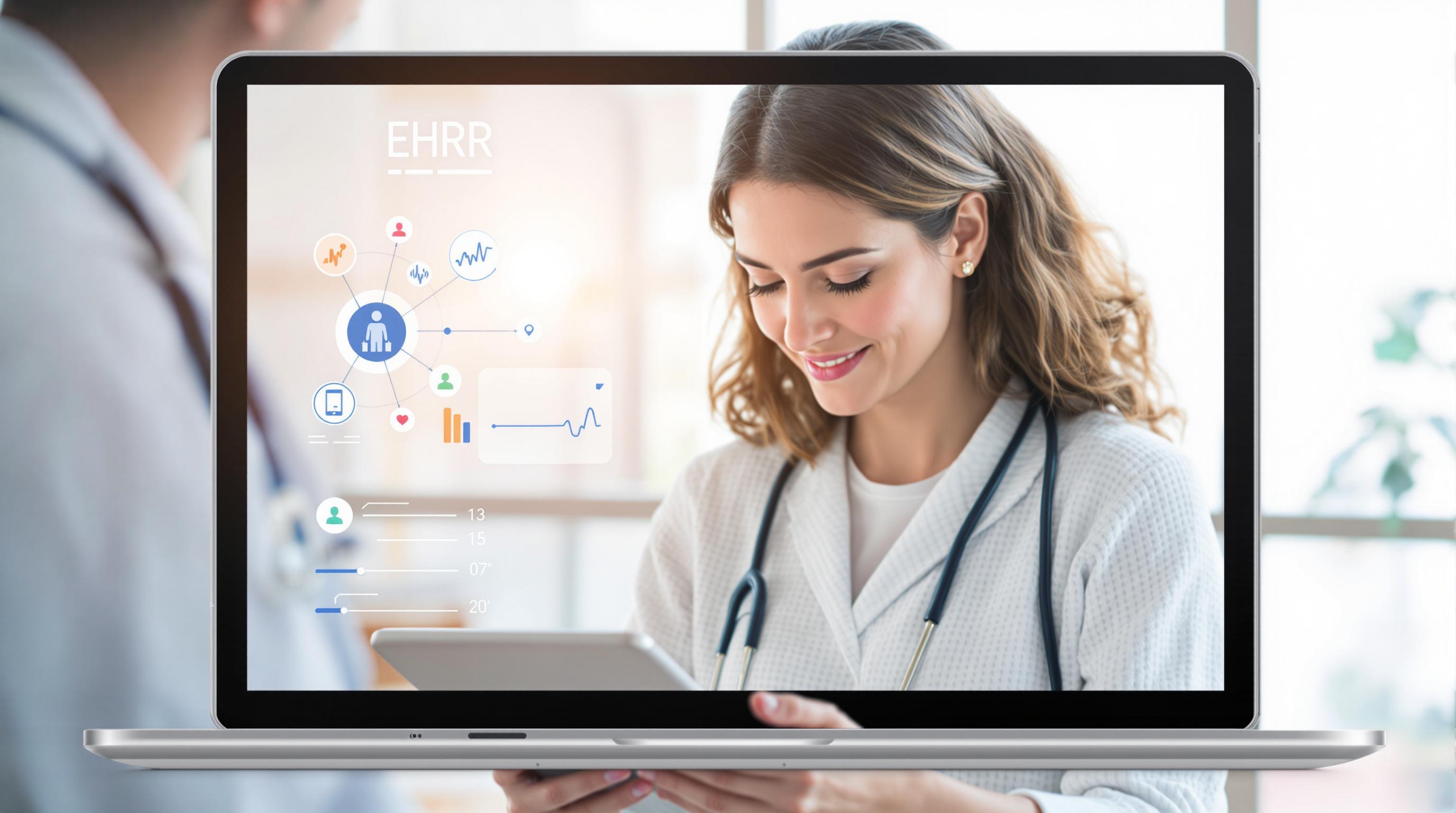
8 Innovative EHR Solutions Enhancing Telemedicine Integration and Remote Patient Monitoring in Modern Healthcare
8 Innovative EHR Solutions Enhancing Telemedicine Integration and Remote Patient Monitoring in Modern Healthcare
8 Innovative EHR Solutions Enhancing Telemedicine Integration and Remote Patient Monitoring in Modern Healthcare
1. Epic Systems
Epic Systems stands as a leader in the electronic health records (EHR) market, offering a comprehensive platform that seamlessly integrates telemedicine capabilities. Its user-friendly interface supports video consultations directly within the patient’s health record, enhancing continuity of care.
Beyond telehealth, Epic incorporates remote patient monitoring (RPM) tools, allowing clinicians to track patient vitals and health trends in real time. This capacity supports proactive care management and reduces hospital readmissions.
Epic's interoperability initiatives ensure data exchange across providers and platforms, facilitating coordinated care that is crucial in remote health services. According to research by KLAS, Epic consistently rates highly for client satisfaction in telehealth integration.
2. Cerner Corporation
Cerner’s EHR solutions integrate telemedicine features tailored for both inpatient and outpatient settings, offering a robust platform for remote consultations. The system supports scheduling and documentation during virtual visits, streamlining clinician workflows.
The integration of RPM devices with Cerner allows continuous monitoring of patients with chronic diseases, such as diabetes and hypertension, enabling timely intervention when abnormalities arise. Cerner's HealtheIntent platform aggregates patient data to support population health management.
Studies have shown Cerner has improved patient engagement through its telehealth services, facilitating better communication between providers and patients. This technology helps bridge gaps particularly in rural and underserved communities.
3. Allscripts
Allscripts offers customizable EHR solutions with integrated telemedicine features that facilitate remote consultations and follow-ups. The platform allows clinicians to initiate video calls directly from the patient chart, reducing administrative burdens.
Allscripts’ partnership with various RPM device vendors enhances its capacity to collect and analyze patient-generated health data. This integration supports chronic disease management programs and personalized treatment plans.
The company emphasizes open APIs ensuring interoperability with third-party telehealth tools, which broadens the ecosystem available to healthcare providers. This openness has been lauded in industry reports for fostering a more connected healthcare environment.
4. Meditech
Meditech’s EHR includes embedded telemedicine modules designed to facilitate virtual patient visits across care settings. Its mobile-friendly platform supports both synchronous and asynchronous telehealth interactions.
For remote monitoring, Meditech connects with biometric devices to track vital signs, alerting clinicians instantly upon detection of concerning trends. This real-time data integration supports timely clinical decisions and improves patient outcomes.
Meditech’s focus on user experience and workflow optimization has led to increased adoption by community hospitals seeking scalable telehealth solutions. The company continues to invest in features that simplify remote care delivery.
5. NextGen Healthcare
NextGen Healthcare combines EHR and practice management with telemedicine features that enable video visits and secure messaging directly within the platform. This unified approach helps providers offer consistent, patient-centered virtual care.
The system integrates with an array of FDA-approved remote monitoring devices, facilitating continuous patient data collection outside traditional care settings. Data analytics tools help identify risk patterns for early intervention.
Reports indicate NextGen’s telehealth adoption supports improved chronic disease control and higher patient satisfaction scores. The company prioritizes customizable workflows to meet diverse clinical needs.
6. Athenahealth
Athenahealth’s cloud-based EHR platform includes built-in telemedicine capabilities designed for rapid deployment and easy use. Providers can conduct virtual visits, share patient education materials, and document encounters seamlessly.
The platform supports integration with numerous remote patient monitoring tools, enabling ongoing assessment of patient health between visits. Real-time alerts through the system help clinicians respond quickly to critical changes.
Athenahealth is recognized for its commitment to interoperability and population health management, making it a versatile solution for modern telemedicine demands. Its flexible infrastructure supports scaling as healthcare needs evolve.
7. eClinicalWorks
eClinicalWorks provides a robust EHR system focused on telemedicine and remote patient monitoring integration. Its telehealth solution supports video visits, automatic documentation, and e-prescribing capabilities.
The platform's integration with RPM devices collects patient data such as blood pressure and glucose levels, transmitting the data securely to clinicians for review. This continuous monitoring helps enhance preventive care and chronic disease management.
Clinics using eClinicalWorks report improved workflow efficiency and patient engagement due to the seamless telehealth and RPM functionalities. The company also offers analytics to track patient outcomes and compliance.
8. Practice Fusion
Practice Fusion offers a cloud-based EHR with telemedicine capabilities aimed at small to mid-sized practices. Physicians can schedule and conduct virtual visits with integrated video and secure messaging features.
The platform supports remote patient monitoring through partnerships that enable providers to receive patient-generated health data effortlessly. These integrations bolster care for patients managing chronic conditions from home.
Practice Fusion’s affordable and easy-to-use solution expands telemedicine accessibility, especially for independent practices seeking efficient EHR and RPM integration. User feedback highlights its intuitive interface and strong customer support.
9. Impact of Enhanced Telemedicine Integration in EHR Systems
The integration of telemedicine and remote patient monitoring into EHR systems fundamentally transforms patient care by enabling continuous, personalized health management. This synergy allows providers to maintain ongoing connections with patients outside traditional clinical environments.
Enhanced data sharing between patients and providers leads to better-informed clinical decisions, improved chronic disease outcomes, and decreased healthcare costs. For example, early detection of renal function decline or elevated blood pressure via RPM can prompt timely interventions.
Moreover, integrated platforms reduce clinician burnout by streamlining telehealth workflows and automating documentation. As a result, healthcare professionals can focus more on quality interactions, improving satisfaction for both patients and providers.
10. Future Directions and Challenges in EHR-Enabled Telemedicine
Looking ahead, the evolution of AI-assisted analytics within EHR platforms promises to enhance predictive capabilities in telemedicine and remote monitoring. Advanced algorithms will help prioritize patient risk and automate routine tasks.
Despite these advancements, challenges remain regarding data security, interoperability, and equitable access. Addressing privacy concerns and ensuring consistent technology standards will be critical to wider adoption.
Ultimately, the continued refinement of EHR systems to seamlessly support telemedicine and RPM will empower a more resilient, patient-centered healthcare ecosystem, expanding care beyond the clinic walls and into everyday life.
Sources:
HealthIT.gov - What is an Electronic Health Record (EHR)?
KLAS Research Telehealth Reports
NCBI - Telemedicine and EHR Integration
Read More