Related Articles
- The Unexpected Impact of Environmental Factors on the Accuracy of Medication Dispensing Technologies
- Exploring the Influence of Mental Health Stigma on Accessibility and Affordability of Coverage in Modern Insurance Plans
- How Cloud Storage Quirks Are Quietly Complicating Patient Data Protection in Modern Healthcare Settings
- Top 6 Emerging Medical Billing Platforms Revolutionizing Practice Revenue Cycles Since 2019
- When Digital Distance Deepens Divide: Surprising Social Costs of Remote Health Services in Underserved Communities
- The Unexpected Role of EHR Usability in Physician Burnout and Strategies to Reclaim Workflow Balance
When Healthcare Privacy Meets AI Bias: Unseen Risks Lurking Beyond HIPAA’s Reach
When Healthcare Privacy Meets AI Bias: Unseen Risks Lurking Beyond HIPAA’s Reach
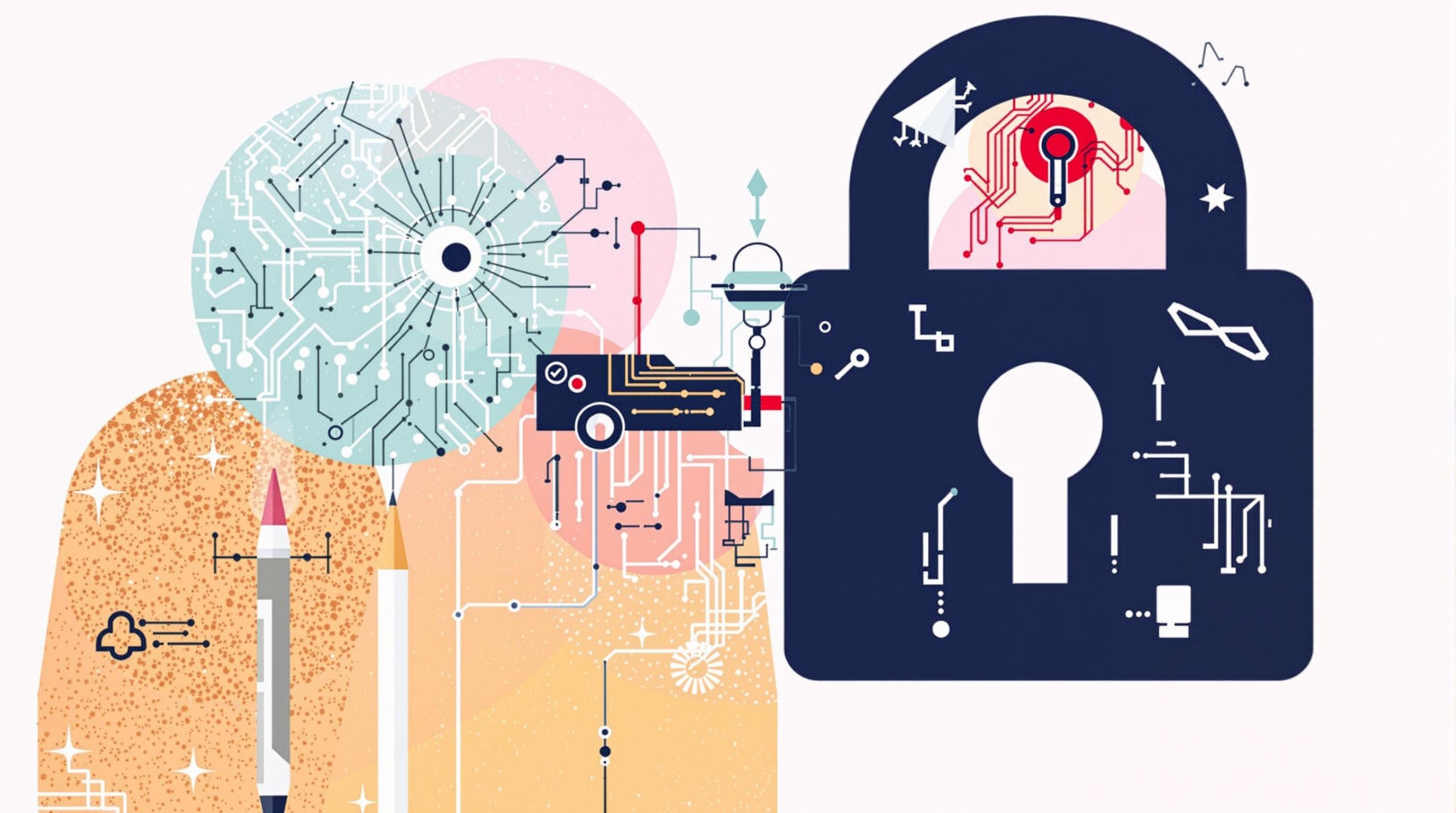
Healthcare privacy is entering uncharted territory as artificial intelligence introduces new biases and risks that current regulations like HIPAA don't fully address. This article explores the hidden dangers AI poses to patient privacy, examining real cases, ethical dilemmas, and the urgent need for updated frameworks.
The Humorous Side of AI Bias in Healthcare
Imagine a robot doctor that insists on prescribing the same antibiotic to every patient because it “learned” it's universally effective—only to overlook allergies, demographics, or histories. Sounds like a punchline, right? But AI systems, trained on biased data, can indeed commit such blunders, risking patient health and privacy with every misstep. AI bias isn’t just a dry academic problem; it’s a comedy of errors waiting to happen, except the stakes are life and death.
What’s HIPAA Missing?
The Health Insurance Portability and Accountability Act (HIPAA), enacted in 1996, primarily centers on protecting patient data confidentiality and preventing unauthorized access. However, as healthcare technologies adopt AI, privacy concerns become more complex. HIPAA does not govern how AI algorithms collect, analyze, or potentially manipulate patient data beyond access controls, leaving vast gaps. For instance, algorithms may inadvertently expose sensitive trends or reinforce stereotypes without any explicit breach, staying under HIPAA’s radar.
Case Study: AI’s Flawed Kidney Care Predictions
In 2019, a revealing study published in Science Detected that a widely used AI tool for predicting kidney disease risk systematically underestimated illness severity in Black patients. This bias stemmed from training data that linked health costs (not health itself) to disease severity, leading to reduced referrals for minority patients. The ramifications touched privacy not only by possible misapplication of data but also by unfair clinical decisions derived from that data.
Storytelling: A Patient’s Journey through Systemic Bias
Jenny, an African American woman in her 40s from Mississippi, was repeatedly denied timely treatment for her chronic condition. Unknown to her, an AI tool managing her Electronic Health Records flagged her data as “low risk” —a decision fueled by incomplete datasets that missed socioeconomic factors. This oversight resulted in her suffering from complications that might have been preventable, revealing a chilling reality: data-driven privacy isn’t just about keeping secrets, but also about the fairness and accuracy of medical judgments.
Statistics Paint a Stark Picture
According to a 2021 report by the National Institutes of Health, less than 30% of AI healthcare algorithms have been tested across diverse populations, raising concerns about embedded biases. Additionally, a Pew Research study found that 79% of adults worry about AI’s impact on data privacy and fairness in healthcare.
The Ethical Quagmire
Ethics in healthcare AI juxtaposes two pillars: protecting patient privacy and ensuring equitable treatment. AI systems trained on flawed data can inadvertently become digital gatekeepers that exclude, misclassify, or betray privacy trust. For example, when facial recognition algorithms misidentify minorities, similar technical pitfalls in health AI could exacerbate disparities invisibly.
Conversational Insights: What Should We Do?
Let’s chat about solutions. First, tweaking existing privacy laws to cover algorithmic transparency and data provenance is crucial. Patients deserve to know not only who accesses their data, but also how AI uses it in clinical decisions. Second, comprehensive bias audits and diverse data inputs can mitigate skewed outcomes. And finally, fostering an informed public that understands these nuances boosts accountability.
Creative Solutions: Beyond Regulation
Some innovators are experimenting with “Ethical AI Committees” in hospitals that review algorithms before implementation, ensuring fairness aligns with patient rights. Others propose “data trusts”—collective data management entities that give patients agency over what data AI can access and how it’s used. These novel ideas inject hope into the murky waters of healthcare AI privacy.
Why Age and Experience Matter in AI Discussion
As a 67-year-old healthcare writer with decades of observing medical ethics evolve, I see AI as both a miracle and a menace. Younger readers—you, who live digital-first lives—may instinctively trust AI to “just work.” Meanwhile, older generations, wary of past medical mistakes and privacy scandals, demand caution. Bridging these perspectives enriches the dialogue and helps society navigate AI’s impact responsibly.
Real-Life Example: AI Bias in COVID-19 Response
During the pandemic, some AI models were used to prioritize vaccine distribution and patient triage. However, biases surfaced: communities with less historical data or lesser digital footprints often received delayed or less effective care recommendations. This highlighted a glaring fact—privacy isn’t merely about data secrecy but encompasses data representation in AI models influencing life-saving decisions.
Persuading Policymakers: The Time for Action is Now
Policymakers must understand that HIPAA’s current scope cannot contain AI’s expansive influence on healthcare privacy. Proactive legislation, harmonizing data ethics with cutting-edge tech, should mandate transparency and bias audits. Otherwise, vulnerable groups risk systemic invisibility under a veil of “privacy protection,” a paradox that undermines trust in both AI and healthcare.
Final Thoughts: Privacy and Bias as Two Sides of a Coin
Privacy in the age of AI is not merely confidentiality but also the integrity and fairness of patient data use. The unseen biases embedded in AI systems quietly compromise patient privacy in ways HIPAA never envisioned. As technology advances, a nuanced and inclusive approach to regulation, ethics, and public engagement is the only path forward to safeguard all patients effectively.