Related Articles
- The Unexpected Impact of Environmental Factors on the Accuracy of Medication Dispensing Technologies
- Exploring the Influence of Mental Health Stigma on Accessibility and Affordability of Coverage in Modern Insurance Plans
- How Cloud Storage Quirks Are Quietly Complicating Patient Data Protection in Modern Healthcare Settings
- Top 6 Emerging Medical Billing Platforms Revolutionizing Practice Revenue Cycles Since 2019
- When Digital Distance Deepens Divide: Surprising Social Costs of Remote Health Services in Underserved Communities
- The Unexpected Role of EHR Usability in Physician Burnout and Strategies to Reclaim Workflow Balance
Unlocking Patient Empowerment Through AI-Driven Note-Taking: A New Frontier in Digital Health Documentation
Unlocking Patient Empowerment Through AI-Driven Note-Taking: A New Frontier in Digital Health Documentation
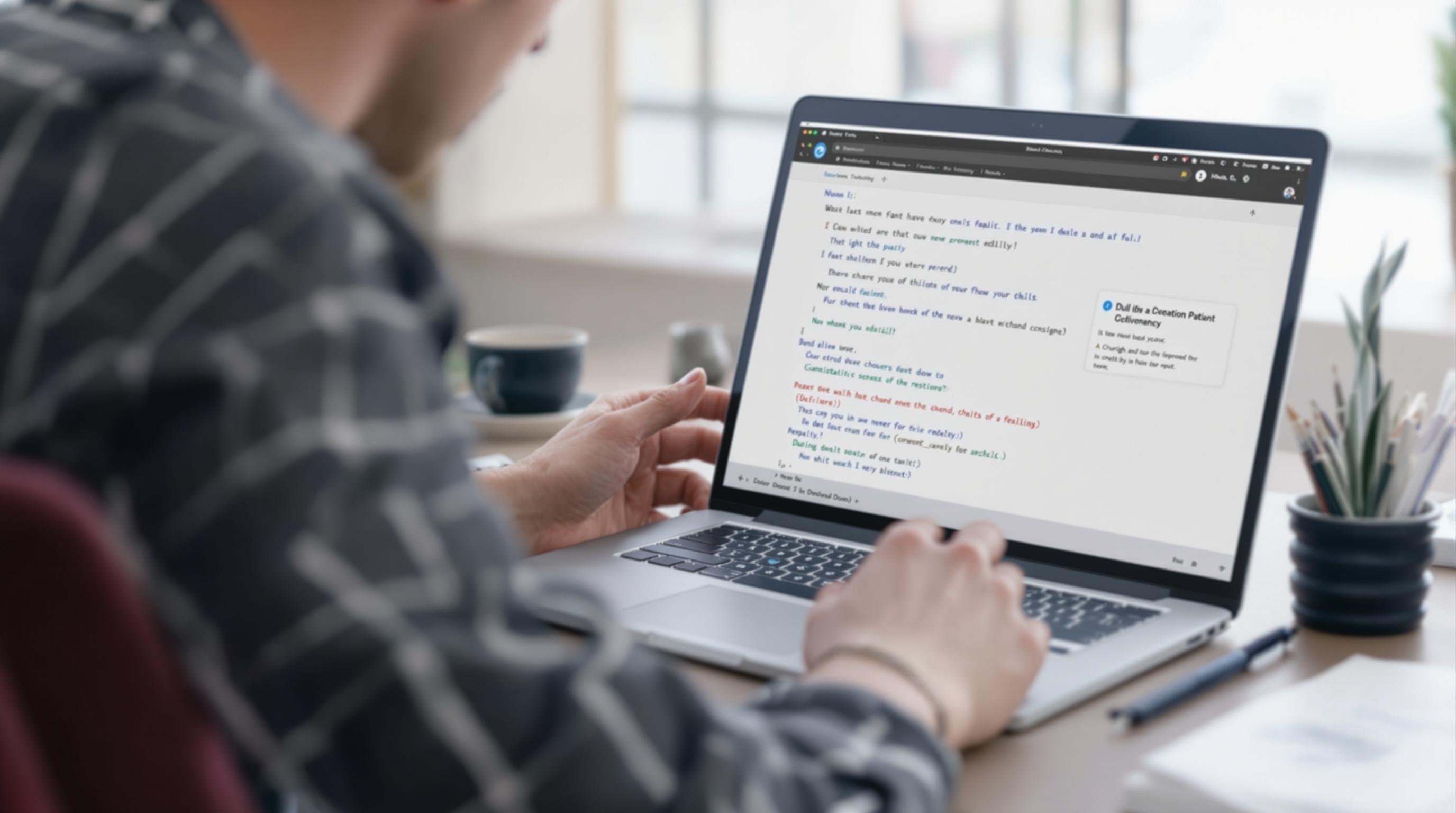
Artificial intelligence is revolutionizing health documentation by transforming the traditional note-taking process, empowering patients to engage more actively in their care. This article delves into how AI-driven note-taking tools enhance digital health records, improve communication, and facilitate patient empowerment across diverse healthcare settings.
Imagine visiting your doctor and leaving the appointment with not just a prescription but a comprehensively documented, easy-to-understand summary generated on the spot—no scribbles, no missed details, just clear insights you control. AI-powered note-taking is making this a reality, shifting the paradigm from clinician-centric records to patient-empowered health management.
Why Patient Empowerment Matters in Healthcare
“Empowered patients are healthier patients,” says Dr. Maria Thompson, a renowned health communication expert. When patients actively participate in their healthcare decisions, outcomes improve dramatically. The Agency for Healthcare Research and Quality (AHRQ) reports a 30% reduction in hospital readmissions when patients understand and manage their treatment plans effectively.
Yet, one barrier stands tall: health documentation remains largely inaccessible to most patients, wrapped in clinical jargon and locked behind electronic health records (EHRs) designed primarily for healthcare providers. Here lies the opportunity for AI-driven note-taking applications to bridge this gap and democratize information.
What Is AI-Driven Note-Taking?
Simply put, AI-driven note-taking technologies use natural language processing (NLP) and machine learning algorithms to automatically capture, transcribe, summarize, and organize clinical conversations during medical encounters.
The AI system listens in real-time or analyzes recorded sessions, extracting vital information to generate structured clinical notes for providers. Simultaneously, it crafts patient-friendly summaries that explain diagnoses, medications, and next steps.
Case Study: Enhancing Chronic Disease Management
At Johns Hopkins Medicine, AI note-taking software was piloted for diabetes management appointments. Over a six-month period, patient satisfaction increased by 22%, and adherence to treatment plans rose by 17%, according to the hospital’s internal review. Patients reported feeling more confident in understanding complex care instructions.
“The visual summaries and jargon-free notes gave me clarity I never had before,” recounts a 54-year-old patient living with type 2 diabetes. “I didn't have to rely solely on memory or scribbled notes — the AI-generated summaries were a game-changer.”
The Technology Behind AI-Driven Documentation
Underneath the hood, several AI components collaborate to deliver seamless note-taking:
- Speech Recognition: Converts spoken words into text with remarkable accuracy, now achieving up to 95% word recognition rates in noisy clinical environments.
- Natural Language Processing: Understands and categorizes medical language, distinguishing between symptoms, diagnoses, medications, or treatment plans.
- Summarization Algorithms: Condense lengthy dialogues into concise and relevant notes tailored separately for clinicians and patients.
These technologies collectively reduce the administrative burden on clinicians, fostering more meaningful patient interactions. According to a 2023 study in the Journal of Medical Internet Research, AI-based documentation tools saved doctors an average of 20 minutes per consultation, translating to greater time investment in patient care.
Benefits Beyond the Clinic Room
Empowered patients aren't just passive recipients of care—they become active partners. Access to AI-generated notes fosters transparency, facilitates second opinions, and aids in chronic disease self-management.
Consider mental health care, where patients frequently struggle to recall session details. AI summaries can provide written reflections and action plans, enabling better tracking of progress between visits.
Anecdotal Humor: Machine Reducing Human Errors
One physician joked, “I sometimes think the AI has a better memory than my nurse—she remembers my embarrassing stories too perfectly!” While doctors chuckle, the underlying truth is AI’s consistency reduces misdocumented details that can impact treatment quality.
Challenges and Ethical Considerations
Of course, integrating AI note-taking isn't without hurdles. Data privacy tops the list. Patients must trust that sensitive information remains secure and used appropriately. Regulatory frameworks like HIPAA in the U.S. impose strict guidelines, but evolving technologies require constant vigilance.
There is also the concern of algorithmic bias—AI systems trained on limited datasets might misinterpret or underrepresent certain populations. Ensuring inclusivity demands diverse data and ongoing validation.
Additionally, not every patient or provider gains immediate comfort from AI tools. Adoption depends on trust, ease of use, and digital literacy—the spectrum varies from tech-savvy teenagers managing own health online to elderly patients needing extra support.
The Road Ahead: Integration and Innovation
Healthcare organizations worldwide are embracing AI note-taking as part of broader digital transformation initiatives. Integrations with telehealth, wearable devices, and personalized health apps promise a future where health data flows effortlessly between patient and provider.
Imagine a system where AI not only documents your visit but also alerts you when medication supplies run low or sends tailored health tips based on your history. This is the frontier of digital health documentation.
Statistical Snapshot
According to a report by Grand View Research, the global medical transcription software market—integral to AI note-taking—is expected to grow at a CAGR of 11.5% from 2022 to 2030, reflecting widespread industry confidence in automated documentation solutions.
The Writer’s Perspective
As a 45-year-old writer blending healthcare insights with narrative passion, I see AI-driven note-taking as more than a technological trend—it’s a catalyst for reshaping the patient-clinician relationship. Through clear, timely, and personalized documentation, we unlock the power for individuals to command their health stories with confidence and clarity.
For readers aged 16 to 70, whether you're navigating your first health appointment or managing chronic conditions, these advancements herald a future where healthcare communication is less about jargon and more about understanding. Embrace this change; your health record should be a compass, not a puzzle.
Read More